
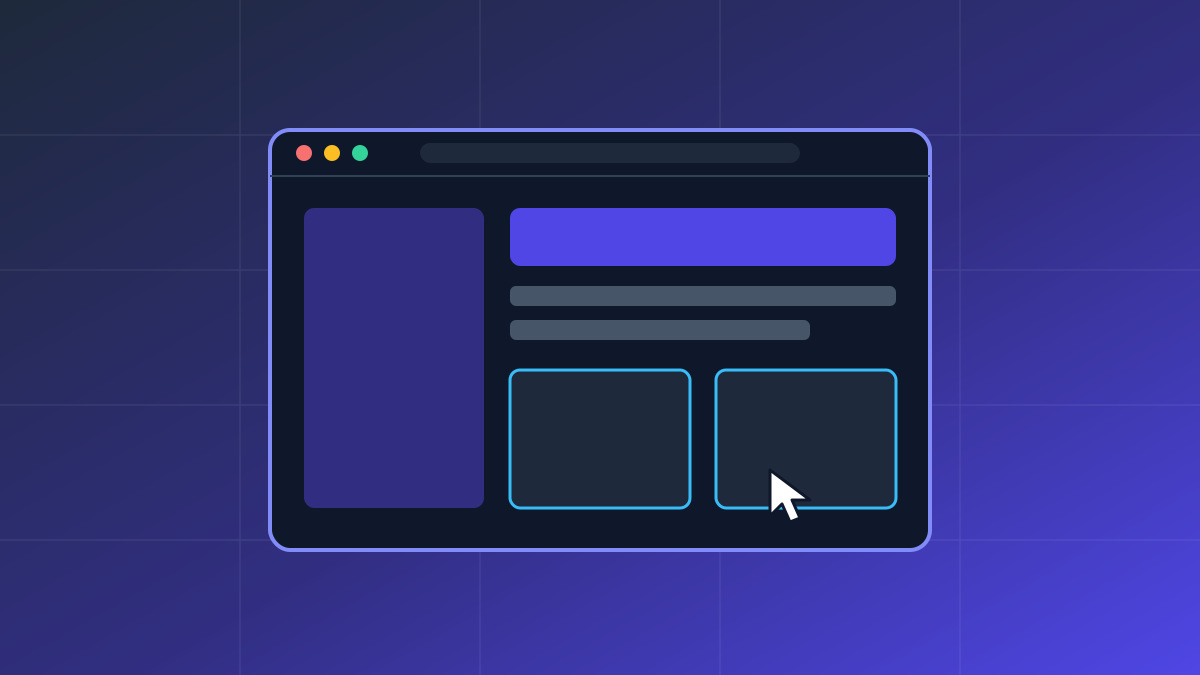
Wireframes vs mockups vs prototypes explained in plain English: what each one is, when to use it, real examples, and a simple comparison table for beginners.
If you are about to build a website or an app, you will hear three words thrown around a lot: wireframe, mockup, and prototype. Here is the short answer first. A wireframe is a rough black-and-white blueprint of where things go. A mockup is a full-color, realistic picture of how the finished screen will look. A prototype is a clickable version you can actually try, where buttons respond and screens connect. They are three steps along the same road, from rough idea to something that feels real, and each one answers a different question.
I use all three on real projects, and the most common confusion I see from clients is treating them as interchangeable. They are not. Showing the wrong one at the wrong moment either wastes time or hides problems until it is expensive to fix them. In this guide I will define each one in plain English, show you when to use it, give a concrete example, and finish with a table you can keep.
The blueprint analogy
Think about building a house. First an architect sketches the floor plan: this room is the kitchen, that wall has a window, the stairs go here. No colors, no furniture, just structure. That is your wireframe. Next, a designer produces a full painting of the finished living room, with the exact paint color, the sofa, the lighting, the art on the wall. That is your mockup. Finally, before you commit, you walk through a model unit, open the doors, flip the switches, and feel how it actually works. That is your prototype.
Nobody paints the living room before the floor plan is agreed, and nobody builds the model unit before they know what it should look like. The order matters, and skipping a stage is where projects go wrong.
What is a wireframe?
A wireframe is a low-detail, structural layout of a screen. It uses boxes, lines, and placeholder text to show what goes where and how the page is organized, deliberately stripped of color, fonts, and real images so nobody gets distracted by how it looks. A wireframe answers one question: does the structure make sense?
You will often see grey boxes for images, lines standing in for text, and a label like "logo" or "button" instead of the real thing. That plainness is the point. When a wireframe is in front of a client, the conversation stays on the important stuff: is the menu in the right place, is the main call to action obvious, is the contact form easy to find. If I showed a beautiful colored design instead, everyone would talk about the shade of blue and miss the fact that the signup button is buried.
Wireframes are cheap and fast to make, which is exactly why they come first. Changing a wireframe takes minutes. Changing a finished design takes hours, and changing built code takes days. The earlier you catch a layout problem, the cheaper it is to fix.
When to use a wireframe
Use a wireframe at the very start, when you are deciding what content each page needs and how it should be arranged. It is the right tool for agreeing on structure with a client before anyone invests in visuals. On most small business sites, a quick wireframe of the homepage and one or two key pages is enough to align everyone.
What is a mockup?
A mockup is a high-fidelity, static visual of the final design. It takes the wireframe and adds everything that was deliberately left out: real colors, fonts, spacing, images, and brand styling. A mockup answers a different question: does this look right and on-brand?
The key word is static. A mockup is a picture, not a working thing. You cannot click it and navigate. It is the pixel-perfect image of a single screen, the thing a designer hands over so everyone can agree on the visual direction before a developer turns it into real code. When you approve a mockup, you are approving the look: the palette, the typography, the imagery, the overall feel.
This is the stage where good design feedback matters most, because changing colors and layout in a design file is far cheaper than changing them in a live site. If you want your input to actually improve the result here, my guide on how to give good design feedback walks through exactly how to do that.
When to use a mockup
Use a mockup once the structure is settled and you are ready to decide how the site looks. It is the deliverable you sign off on before development starts. For a brand-new business, the mockup is also where your visual identity comes to life for the first time, so it is worth getting right.
What is a prototype?
A prototype is an interactive, clickable version that simulates how the product behaves. Buttons respond, links go somewhere, and screens connect so you can walk through a real task from start to finish. A prototype answers the final question: does this actually work and feel right to use?
A mockup shows you a photo of a door. A prototype lets you open it. This is where you catch flow problems that a static picture can never reveal: a checkout that takes one step too many, a menu that hides on mobile, a form that is confusing to fill in. Because the prototype behaves like the real thing without being built in real code, you can test it with actual people and fix the experience before a single line of production code is written.
Prototypes range from simple linked mockups (click the button, jump to the next screen) all the way to richly animated, near-real simulations. For most projects you do not need the fanciest version. You need just enough interactivity to test the one or two flows that matter most, like signing up or making a booking.
When to use a prototype
Use a prototype when you need to test the experience, pitch to investors or stakeholders, or validate a flow with real users before building. It is especially valuable for apps and any product where the journey through multiple screens is the whole point. If you are building a first product, a prototype is often the cheapest way to learn what to fix, which ties closely to how I think about scoping in going from idea to MVP.
Wireframe vs mockup vs prototype: the comparison
Here is the whole thing side by side. Read it as a progression from left to right: each stage adds detail and gets closer to the real product.
| Aspect | Wireframe | Mockup | Prototype |
|---|---|---|---|
| What it is | Structural blueprint | Full-color static design | Clickable, interactive version |
| Detail level | Low (boxes and lines) | High (final visuals) | High plus behavior |
| Color and branding | None, on purpose | Yes, real branding | Yes, real branding |
| Can you click it? | No | No, it is a picture | Yes |
| Question it answers | Is the structure right? | Does it look right? | Does it work to use? |
| Speed to make | Fastest | Medium | Slowest |
| Best for | Agreeing on layout | Approving the visual design | Testing the real experience |
Do you always need all three?
No, and pretending you do just runs up the bill. The right amount depends on the size and risk of the project. For a simple brochure site, a quick wireframe and a mockup are usually plenty, and the prototype is overkill. For an app with a multi-step flow, the prototype is the most valuable of the three because that is where the real risk lives.
My honest default for a small business website is to wireframe the key pages, mockup the design once we agree on structure, and only prototype if there is a flow we genuinely need to test. The goal is never to produce every artifact for its own sake. It is to answer the open questions in the cheapest order: structure first, then look, then behavior. Catch each kind of problem at the stage where it costs the least to fix, and the build that follows goes fast and clean.
How this fits into a project
In practice these stages flow into one another. We wireframe to agree on what each page does, we mockup to lock the visual design, and we prototype the flows that carry the most risk. Then, and only then, I build, because every important decision has already been made and tested on something cheap to change. That sequence is what keeps a project on budget, and it is a big part of why thoughtful planning beats jumping straight into code.
If you are planning a website or an app and are not sure how much of this you actually need, book a quick call and tell me what you are building. I will tell you honestly which of these stages your project needs and which you can skip. You can also reach me through the contact form. And if you want to make sure your feedback at the design stage actually moves things forward, read how to give good design feedback next.
Frequently asked questions
What is the main difference between a wireframe and a mockup?
A wireframe is a rough, black-and-white blueprint that shows where elements go and how a page is organized, with no color or branding. A mockup is a full-color, static design that shows exactly how the finished screen will look. The wireframe settles structure; the mockup settles visuals.
What makes a prototype different from a mockup?
A mockup is a static picture you cannot click. A prototype is interactive: buttons respond and screens connect, so you can walk through a real task. A mockup shows you a photo of a door; a prototype lets you open it. The prototype is how you test whether the experience actually works.
Do I need all three for my website?
Usually not. For a simple brochure site, a quick wireframe and a mockup are typically enough, and a prototype is overkill. Prototypes earn their place on apps and products with multi-step flows, where testing the journey before building saves real money. The goal is to answer open questions in the cheapest order, not to produce every artifact.
Why do designers start with plain wireframes instead of colorful designs?
Because a plain wireframe keeps the conversation on structure: is the menu in the right place, is the main call to action obvious. A finished, colorful design pulls everyone into debating shades and fonts and hides layout problems. Catching structural issues early, when they take minutes to fix, is far cheaper than fixing them in built code.
In what order do these three steps happen?
Wireframe first to agree on structure, then mockup to lock the visual design, then prototype to test the flows that carry the most risk. Each stage adds detail and gets closer to the real product, and only after the important decisions are made and tested do you build. That sequence keeps a project on budget.
Keep reading
Related service
Web Development
Fast, custom websites and web apps you fully own.
About the author
Yehonatan Saadia
Freelance automation, web & MVP developer
I'm Yehonatan Saadia, a senior developer who builds business automation, custom websites, and MVPs for small and mid-sized companies across the US, Europe, and Israel. These guides come from real client work, not theory.
Work with meHave a project like this?
Tell me what you're trying to automate or build and I'll tell you the fastest reliable way to ship it.